Skip to content

The weekly IoT digest

Every week, the Internet of Things stories that matter, summarized and put in context: platforms, connectivity, chips, security, regulation and AIoT. Published every Tuesday here and in the newsletter. RSS.

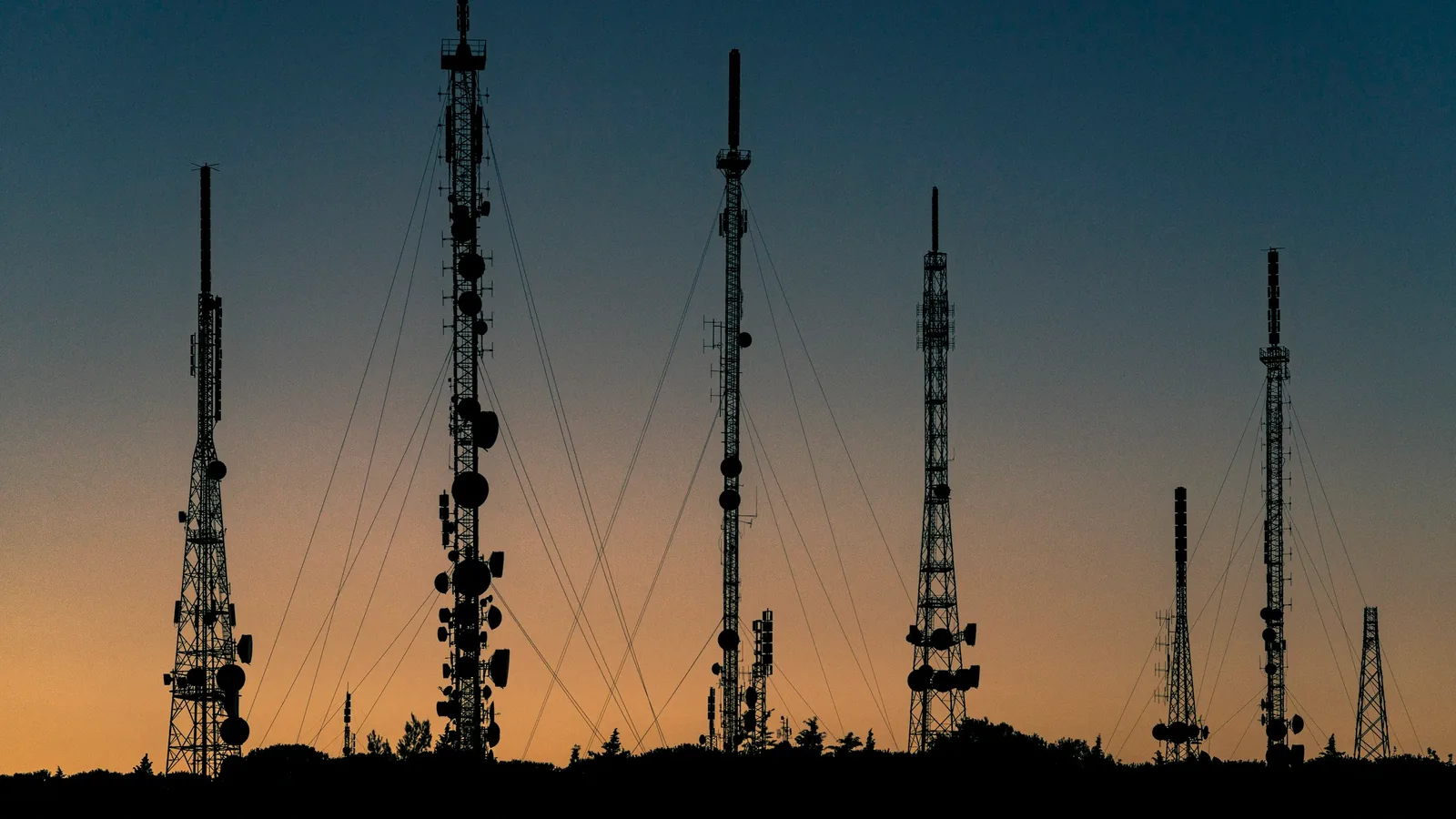
Radio and cellular towers silhouetted against a sunset

Photo: Mario Caruso / Unsplash

Issue 3 Week of October 5, 2026

Agents reach the factory floor, OPC UA over MQTT, and the quiet death of 2G and 3G

Issue 3: what AI agents can and cannot do with industrial equipment, why OPC UA's pub-sub profile matters, and what network sunsets mean for deployed fleets.

  • Vendors are shipping LLM-based agents that read machine data and propose actions; the ones that work keep a human or a PLC between the model and the actuator.
  • OPC UA PubSub over MQTT is becoming the default way to get factory data to the cloud without a custom gateway per machine.
  • 2G and 3G sunsets continue country by country; fleets on old modems need a migration plan, not a hope.
  • Digital twins are being rebuilt around event streams rather than CAD models, which makes them cheaper and more useful.
Read the digest →
Issue 2 Week of September 28, 2026

Edge AI chips multiply, LoRaWAN goes to orbit, and the Cyber Trust Mark looks for buyers

Issue 2: why every microcontroller vendor now ships a neural accelerator, what satellite LoRaWAN is good for, and whether a U.S. security label changes purchasing.

  • Neural accelerators are becoming standard in mid-range microcontrollers, which changes what 'low power' inference means.
  • Satellite backhaul for LoRaWAN and NB-IoT is moving from demos to commercial plans for agriculture, shipping and utilities.
  • The U.S. Cyber Trust Mark is voluntary; its effect depends on whether retailers and procurement teams ask for it.
Read the digest →
Issue 1 Week of September 21, 2026

Matter settles in, the Cyber Resilience Act clock is running, and RedCap finds its niche

Launch issue of the weekly digest: where the smart home standard stands, what the EU's device security law means for makers, and why 5G RedCap matters for IoT.

  • Matter has moved from launch hype to steady releases; the interesting work is now in multi-admin, energy management and the slow arrival of cameras.
  • The EU Cyber Resilience Act applies to almost every connected product sold in Europe; reporting obligations arrive before the full conformity requirements.
  • 5G RedCap is settling into the mid-tier gap between LTE-M and full 5G, aimed at wearables, cameras and industrial sensors.
Read the digest →