What is the Internet of Things? A plain-language definition
A clear definition of the Internet of Things, what makes a device an IoT device, how the pieces fit together, and where the idea stops being useful.
30 evergreen guides on how the Internet of Things works: fundamentals, architecture, protocols, security, edge computing and industry use cases. Written to be read in order or dipped into when you need one answer.
Jump to: Fundamentals · Architecture · Connectivity & protocols · Security · Edge computing · Industry use cases
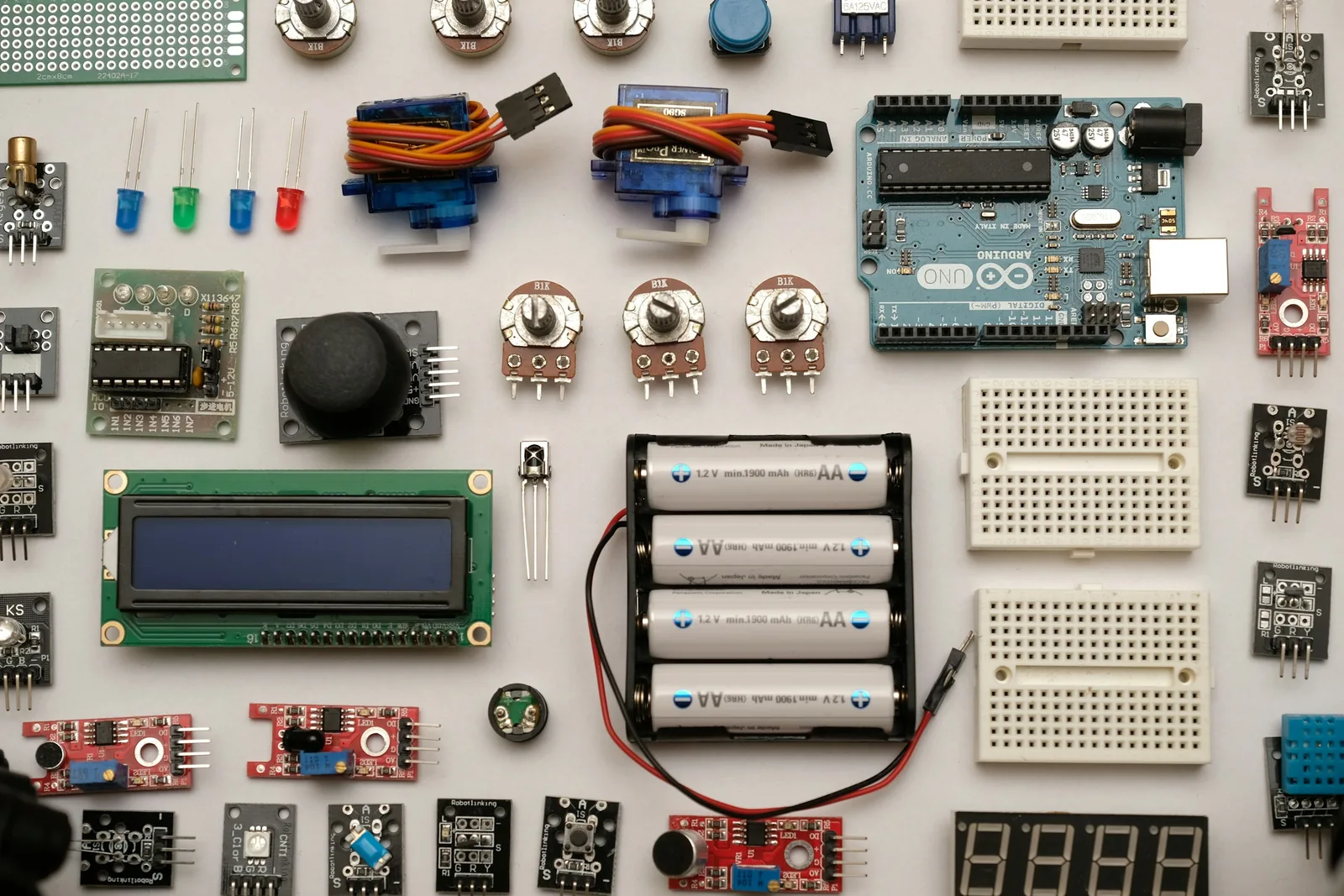
Photo: Robin Glauser / Unsplash
What the Internet of Things is and how it is put together.
A clear definition of the Internet of Things, what makes a device an IoT device, how the pieces fit together, and where the idea stops being useful.
Follow one sensor reading from a microcontroller through radio, gateway, protocol and platform to a dashboard, and the command that travels back.
The main classes of IoT devices, from coin-cell sensors to edge gateways, and how power, cost, connectivity and security budgets dictate their design.
From networked vending machines and RFID to LPWAN, cloud platforms, Mirai and Matter: the milestones that shaped IoT and why each one mattered.
Layers, platforms, data pipelines and digital twins.
The layered model used to describe IoT systems: perception, network, edge, platform and application, what each layer does and where the boundaries blur.
What an IoT platform actually provides, the differences between cloud, open-source and vertical platforms, and the questions to ask before committing.
How device data flows from ingestion through stream and batch processing to storage, analytics and action, and the design choices at each stage.
What a digital twin is, how it differs from a device shadow, the levels of twin from descriptive to prescriptive, and when building one is worth it.
How fleets of IoT devices are provisioned, monitored, configured and updated remotely, and how to design OTA updates that do not brick devices.
MQTT, CoAP, LoRaWAN, Zigbee, Thread, Matter, NB-IoT and LTE-M.
A practical comparison of IoT radio technologies by range, power, bandwidth, topology and cost, with a decision method for picking the right one.
How MQTT works: brokers, topics, QoS levels, retained messages, last will, sessions and MQTT 5 features, with guidance on topic design and when to use it.
How CoAP brings REST-style requests to tiny devices over UDP: message types, methods, observe, block transfer, DTLS security and when to choose it over MQTT.
How LoRaWAN works, from LoRa modulation and spreading factors to gateways, network servers, device classes and security, and where it fits best.
How Zigbee works: IEEE 802.15.4 radio, mesh roles, the Zigbee Cluster Library, Zigbee 3.0, security and commissioning, and how it compares with Thread.
How Thread works: 802.15.4 radio, 6LoWPAN and IPv6, device roles, border routers, commissioning and security, its relationship to Matter, and when to choose it.
What Matter is, how it runs over Thread, Wi-Fi and Ethernet, how commissioning and multi-admin work, and where the standard still falls short.
How NB-IoT and LTE-M differ in bandwidth, mobility, power saving and cost, and how to pick the right one for a battery-powered cellular device.
How Bluetooth Low Energy advertising, GATT, connections and mesh work, what the 5.x releases added, and when BLE is the right link for an IoT product.
Threats, device identity, updates and regulation.
The main ways IoT devices get attacked, from default passwords to insecure updates, and the layered defenses that keep a fleet trustworthy.
How per-device certificates, a private CA and a hardware root of trust give every IoT device a provable identity, and how to provision and rotate them at scale.
What the EU Cyber Resilience Act, the UK PSTI regime, the U.S. Cyber Trust Mark and ETSI EN 303 645 require from connected products, and how they fit together.
Where computation happens and why it is moving closer to things.
What edge computing means in IoT, why latency, bandwidth, privacy and resilience push computation toward devices, and how to decide what runs where.
A decision framework for placing IoT workloads on devices, gateways, fog nodes or the cloud, based on latency, cost, resilience and privacy.
Manufacturing, smart home, healthcare, agriculture, cities, logistics, energy.
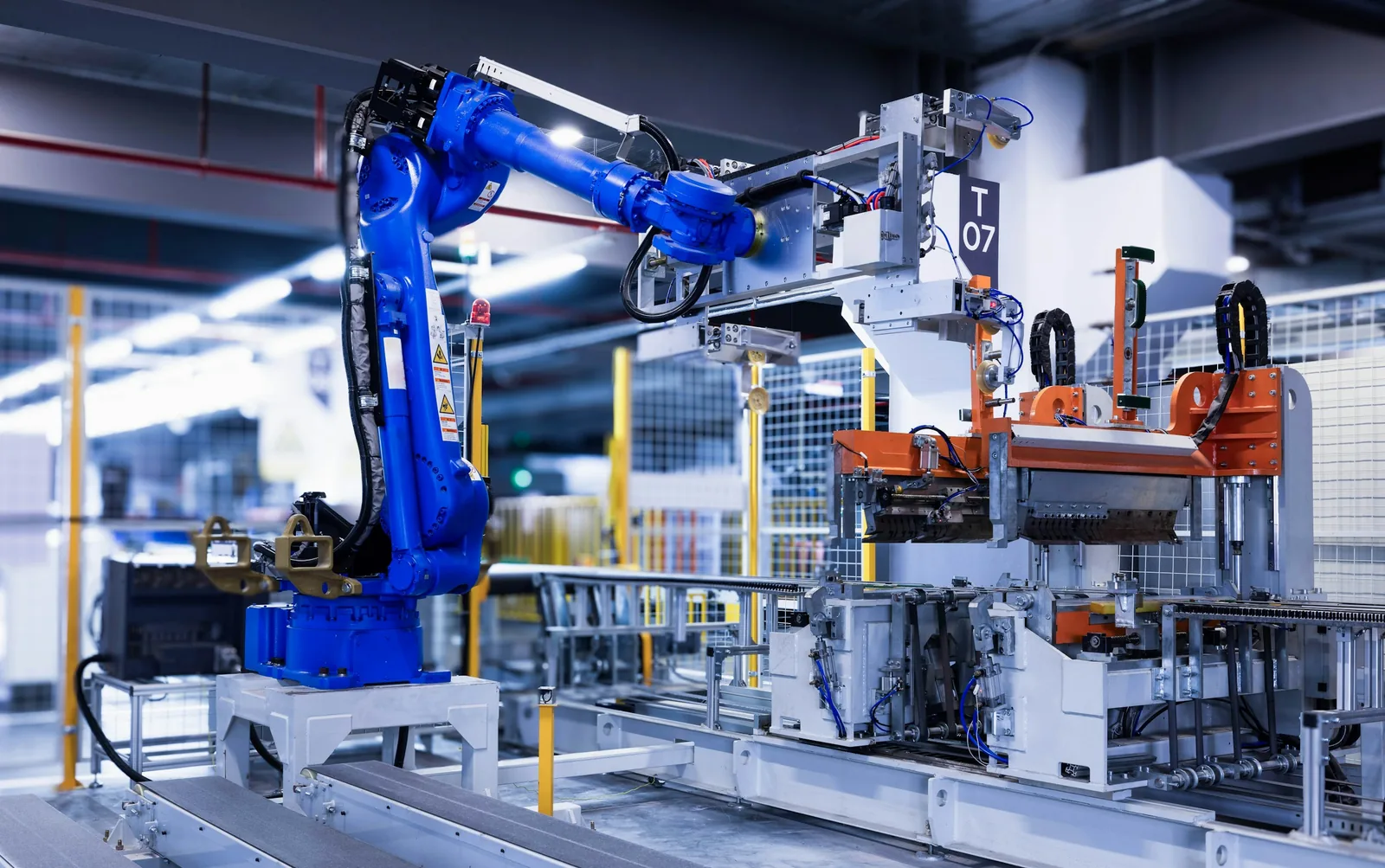
How industrial IoT connects PLCs and machines to data platforms, the protocols and architecture it relies on, the use cases that pay, and why projects stall.
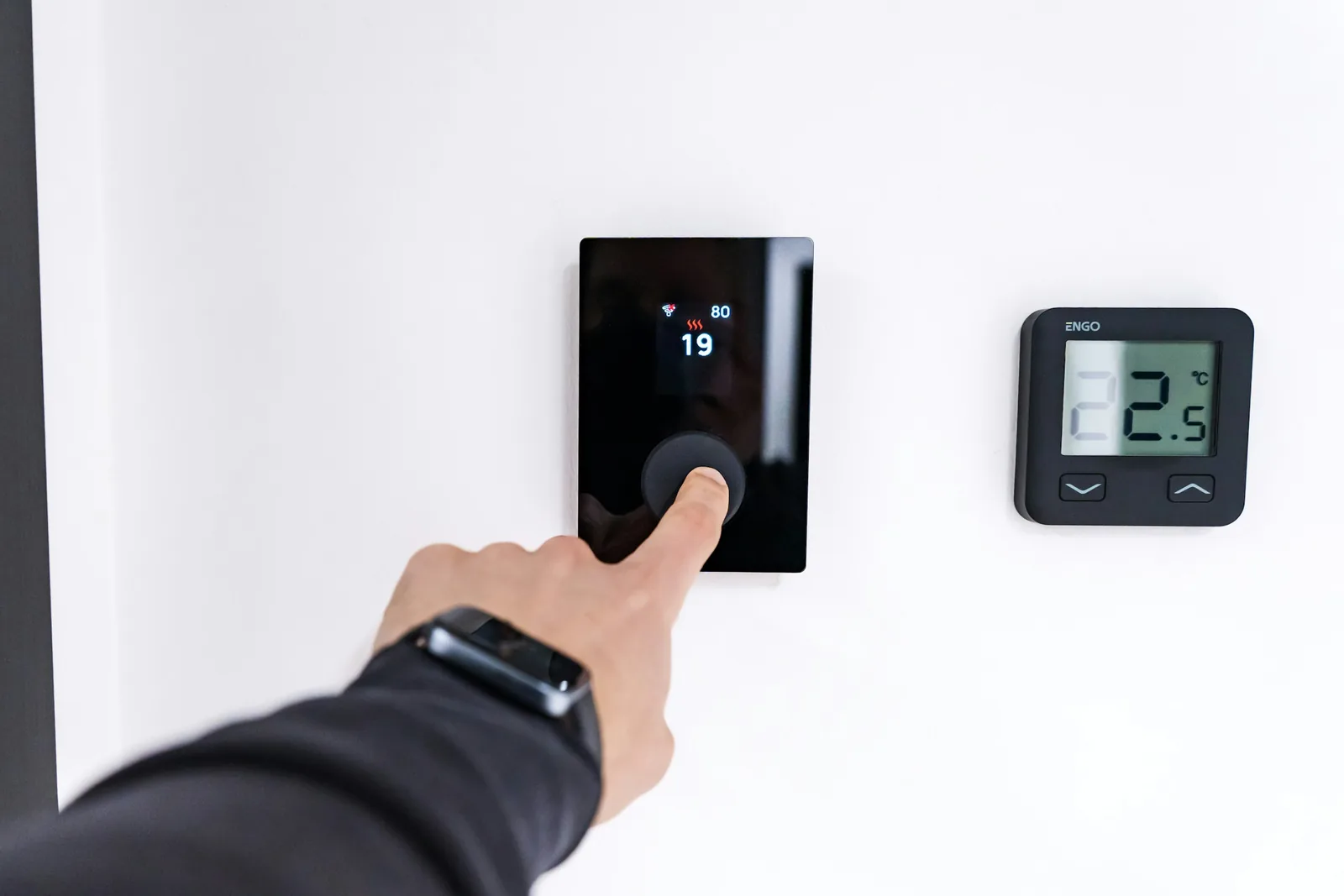
How smart home ecosystems, hubs and radio protocols fit together, what Matter changes, how to keep control local, and what to check before buying a device.
How connected medical devices, remote patient monitoring and hospital asset tracking work, and the regulatory, safety and privacy constraints that shape them.
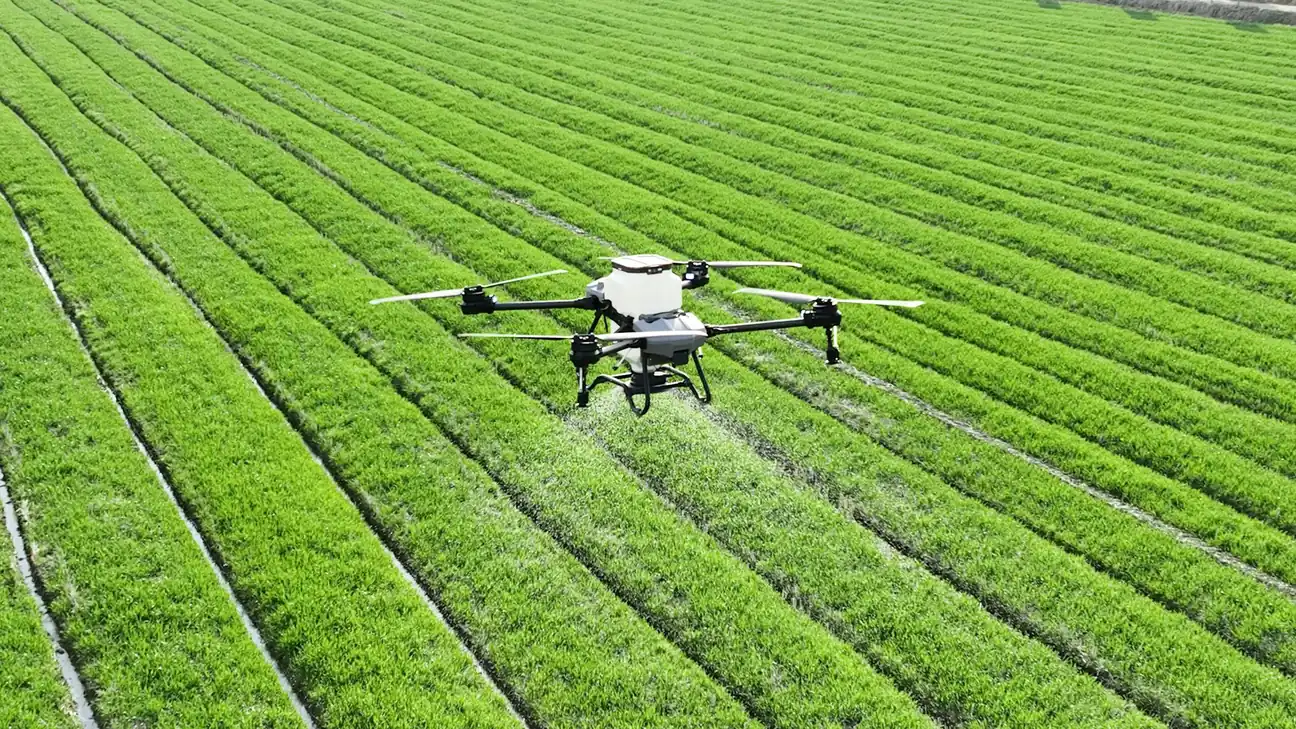
How soil, weather, livestock and machinery sensing work in agriculture, which radios reach a field, and where IoT pays off versus where it struggles.
The IoT services cities actually deploy, from street lighting to air quality and parking, the networks that carry them, and the governance that decides success.
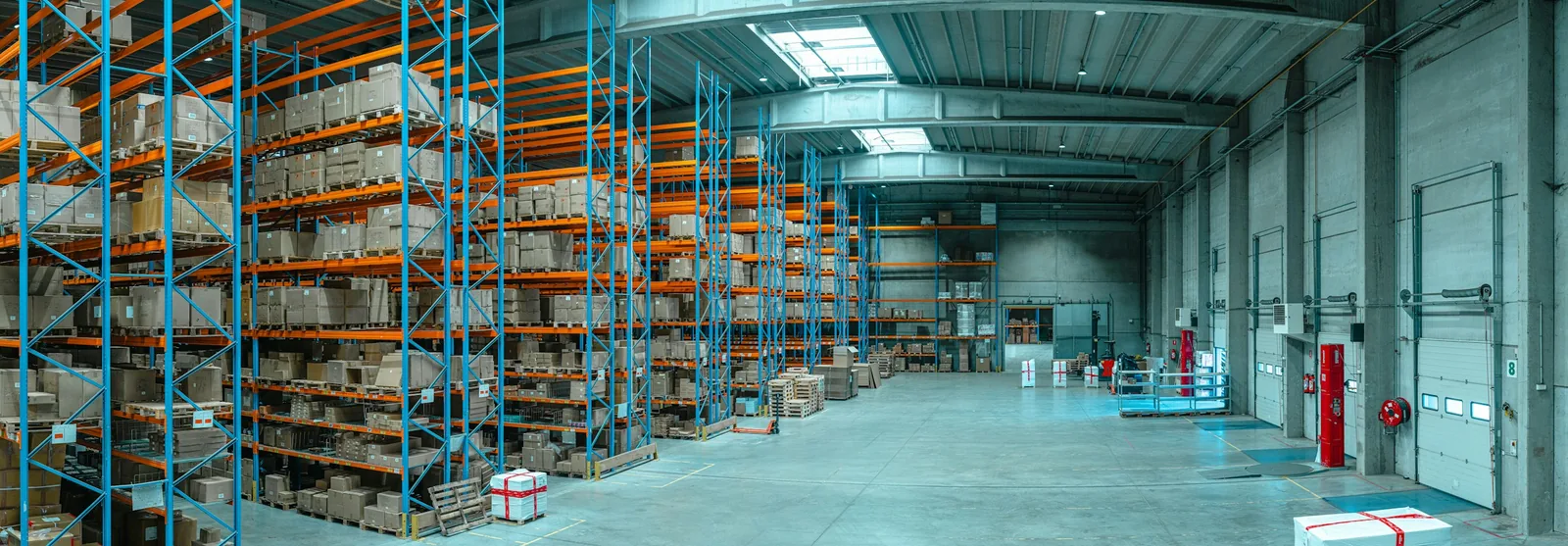
How asset tracking, cold chain monitoring and fleet telematics work in logistics, which radios and positioning methods fit each stage, and where the value is.
How smart meters, grid sensors and connected distributed resources turn the power system into an IoT deployment, and why flexibility is the key use case.